

Ultimate Guide to Passenger Lift Sizes & Dimensions
Elevators have become an indispensable part of modern buildings, whether in residential apartments, offices, hotels, or commercial complexes. Among them, passenger lifts are essential for safe, convenient, and comfortable vertical movement.
One of the most critical aspects of designing or installing a lift is understanding passenger lift dimensions and selecting the right passenger lift size for your building.
Choosing the appropriate size ensures safety, efficiency, and compliance with national standards while optimizing space and comfort.
In India, lift sizes vary depending on capacity, building type, and intended usage.
This guide explores everything you need to know about passenger lift sizes in India, including standard lift dimensions, typical sizes for 4, 6, 8, and 12 passengers, and practical tips for selecting the right lift.
Why Passenger Lift Sizes and Dimensions Matter
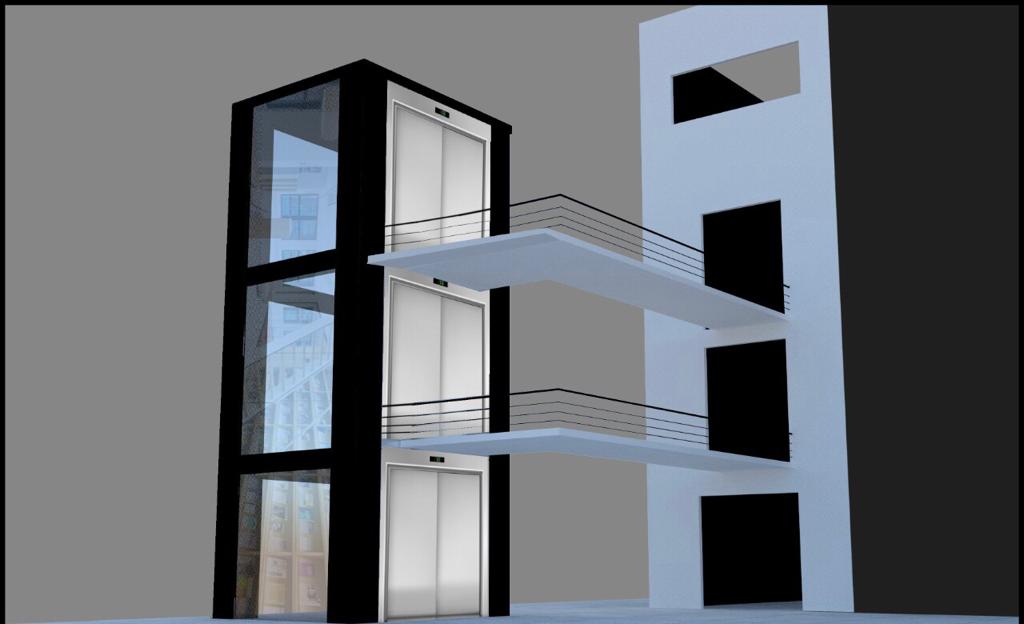
Selecting the correct passenger lift dimensions is crucial for ensuring safety, comfort, compliance, efficiency, and long-term reliability in any building.
Improper sizing can lead to overcrowding, frequent malfunctions, and safety risks, making it essential for builders, architects, and property owners to understand standard lift sizes dimensions.
1. Safety
Proper lift dimensions play a vital role in passenger safety. Overcrowded lifts can strain mechanical components, increasing the risk of breakdowns or accidents.
Standardized lift dimensions ensure that each cabin can safely accommodate the intended passenger capacity, including provisions for emergency situations.
2. Comfort
Passenger comfort is closely tied to cabin size. Adequate space allows passengers to move freely without feeling cramped, enhancing the overall experience.
In high-traffic areas like offices, hotels, and commercial complexes, properly sized lifts reduce congestion and waiting times during peak hours.
3. Compliance
In India, lifts must adhere to strict safety and construction codes. These regulations cover cabin dimensions, door width, weight capacity, and accessibility features.
Selecting the right lift dimensions ensures that buildings comply with local laws, preventing legal complications and safety hazards.
4. Efficiency
Correctly sized lifts improve building efficiency. Undersized lifts require more trips to transport passengers, leading to delays and congestion.
Oversized lifts in low-traffic buildings consume unnecessary energy and increase installation costs. Choosing dimensions aligned with building requirements balances capacity with operational efficiency.
5. Long-Term Reliability
Incorrect lift sizing often results in frequent malfunctions and maintenance issues. Overloading or under-sizing can strain the lift’s machinery, causing premature wear and higher repair costs.
Properly sized lifts extend the system’s lifespan, reduce downtime, and lower long-term operational expenses.
Understanding and selecting the right passenger lift dimensions is essential for safe, comfortable, and efficient vertical transportation.
By following standard lift sizes dimensions, builders, architects, and property owners can create reliable lift systems that meet safety codes, provide comfort, and operate efficiently for years to come.
Factors Determining Passenger Lift Size in India
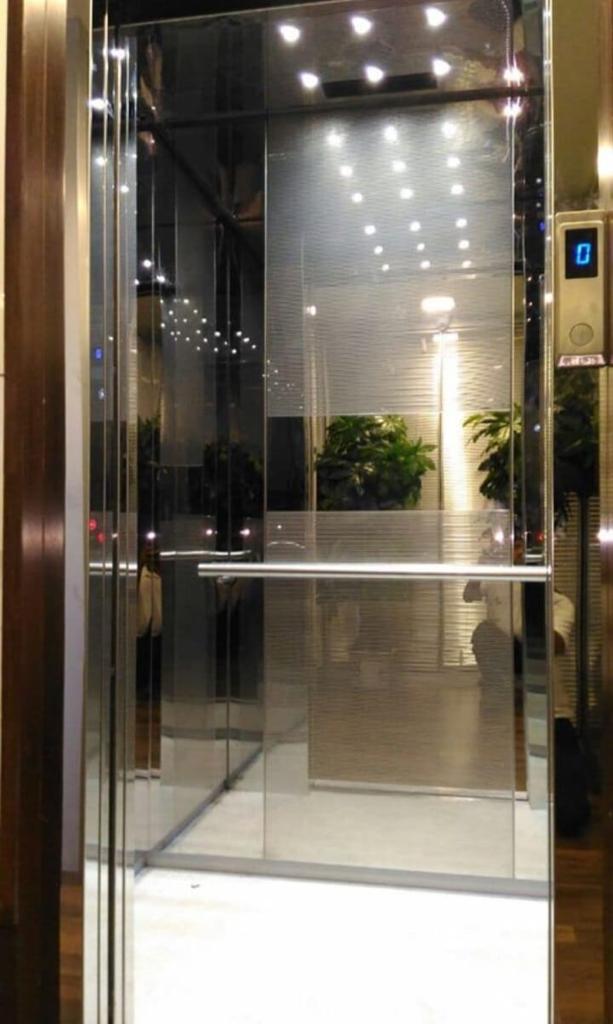
Selecting the right passenger lift size in India involves more than simply choosing a cabin that “fits.” Multiple factors influence the ideal dimensions, ensuring the lift meets safety, comfort, and operational requirements.
Understanding these factors helps architects, builders, and property owners make informed decisions.
1. Number of Passengers
The most obvious factor affecting lift size is its passenger capacity. Lift cabins are designed to accommodate a specific number of people comfortably, commonly ranging from 4, 6, 8, 12, and 16 passengers.
The more passengers a lift must carry, the larger the cabin must be. Proper sizing prevents overcrowding, reduces strain on lift machinery, and ensures smooth operation during peak usage hours.
2. Building Type
The type of building plays a significant role in determining lift size:
- Residential Buildings: Typically, residential lifts are smaller as they serve fewer people and lower traffic. Standard cabin sizes prioritize comfort over maximum capacity.
- Commercial Buildings: Offices, malls, and hospitals require larger lifts to handle high traffic efficiently. Commercial lifts are often wider and deeper to accommodate multiple passengers simultaneously.
3. Floor Height
The vertical height between floors impacts lift design and dimensions. High-rise buildings may require lifts with larger cabins for emergency purposes, such as transporting stretchers or assisting mobility-impaired passengers.
Taller buildings may also need faster lifts, which often have different dimensional and mechanical specifications compared to low-rise lifts.
4. Lift Type
The type of lift technology directly influences cabin dimensions:
- Hydraulic Lifts: Typically used in low- to mid-rise buildings, hydraulic lifts can have smaller cabins but require more shaft depth for the piston mechanism.
- Traction Lifts: Suitable for mid- to high-rise buildings, traction lifts often have more flexible cabin dimensions but need precise shaft height and overhead space.
- MRL (Machine Room-Less) Lifts: These modern lifts save space by eliminating a separate machine room, but cabin dimensions are carefully calculated to ensure smooth operation within limited shaft space.
5. Available Shaft Space
The physical dimensions of the building shaft are a limiting factor for lift cabin size. Architects must design the lift to fit within the shaft while leaving sufficient space for safety clearances, guide rails, and mechanical components.
Proper planning ensures that the lift operates efficiently without compromising passenger safety or comfort.
Standard Lift Sizes Dimensions in India
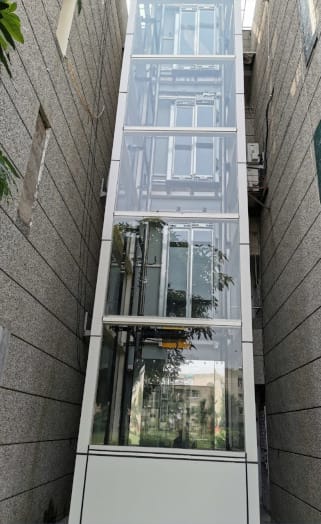
Standard lift sizes dimensions vary depending on passenger capacity. Indian lift manufacturers follow the Bureau of Indian Standards (BIS) guidelines while customizing sizes for specific projects.
Below is a table of commonly used passenger lift dimensions in India:
| Passenger Capacity | Load (kg) | Cabin Size (mm) | Approx. Size (ft x ft) | Door Width (mm) | Typical Usage | Recommended Building Type |
|---|---|---|---|---|---|---|
| 4 passengers | 300 kg | 1100 x 1400 | 3.6 x 4.6 | 800 | Small apartments, villas | Low-rise residential buildings |
| 6 passengers | 450 kg | 1400 x 1600 | 4.6 x 5.2 | 900 | Residential, small offices | Mid-rise residential or small commercial |
| 8 passengers | 630 kg | 1600 x 1800 | 5.2 x 5.9 | 1000 | Mid-rise apartments, offices | Commercial offices, larger residential buildings |
| 12 passengers | 1000 kg | 2000 x 2100 | 6.5 x 6.9 | 1200 | Hotels, malls, hospitals | High-traffic commercial buildings, hospitals |
| 16 passengers | 1200 kg | 2200 x 2400 | 7.2 x 7.9 | 1400 | High-traffic commercial buildings | Large hotels, shopping malls, office complexes |
Note: Cabin size in feet is approximate and depends on wall thickness, doors, and shaft design.
4 Passenger Lift Size in India
A 4 passenger lift is commonly used in low-rise residential buildings, villas, and small commercial spaces. It is compact, cost-effective, and suitable for limited shaft space.
- Approximate Size: 3.6 ft x 4.6 ft (1100 x 1400 mm)
- Load Capacity: 300 kg
- Typical Use: Villas, small apartments, private offices
Advantages of 4 Passenger Lift
- Space-saving and ideal for tight shafts
- Cost-effective in terms of installation and maintenance
- Energy-efficient with single-speed hydraulic operation
- Provides comfortable space for up to 4 adults
Key Features of 4 Passenger Lift
- Compact cabin suitable for low-rise buildings
- Standard safety interlocks and emergency alarms
- Typically hydraulic or semi-automatic doors
- Easy to maintain and operate
6 Passenger Lift Size in India
The 6 passenger lift is popular for mid-rise residential and small commercial buildings. It balances space, passenger capacity, and efficiency.
- Approximate Cabin Size: 4.6 ft x 5.2 ft (1400 x 1600 mm)
- Load Capacity: 450 kg
- Typical Use: Mid-rise apartments, small offices
Advantages of 6 Passenger Lift
- Accommodates more passengers without overcrowding
- Suitable for moderate traffic in mid-rise buildings
- Flexible interior design options
- Smooth and energy-efficient operation
Key Features of 6 Passenger Lift
- Hydraulic or traction lift depending on building height
- Standard door widths for easy access
- Safety interlocks and emergency alarm systems
- Slightly larger shaft space required compared to 4 passenger lift
8 Passenger Lift Size in India
The 8 passenger lift is suitable for larger residential complexes, offices, and small commercial spaces. It provides ample standing room and enhanced comfort.
- Approximate Cabin Size: 5.2 ft x 5.9 ft (1600 x 1800 mm)
- Load Capacity: 630 kg
- Typical Use: Mid-rise apartments, offices, small malls
Advantages of 8 Passenger Lift
- Comfortable standing space for up to 8 adults
- Can handle occasional luggage or shopping trolleys
- Ideal for moderate traffic in residential and commercial buildings
- Offers modern interior design flexibility
Key Features of 8 Passenger Lift
- Hydraulic or traction system depending on building height
- Automatic doors and enhanced safety interlocks
- Spacious cabin for comfortable movement
- Suitable for medium shaft sizes with standard maintenance requirements
12 Passenger Lift Size in India
The 12 passenger lift is designed for high-traffic areas in commercial and large residential buildings.
- Approximate Cabin Size: 6.5 ft x 6.9 ft (2000 x 2100 mm)
- Load Capacity: 1000 kg
- Typical Use: Hotels, hospitals, large offices, shopping malls
Advantages of 12 Passenger Lift
- Handles high passenger volume efficiently
- Comfortable standing space and luggage capacity
- Suitable for continuous operation during peak hours
- Reduces waiting time for busy buildings
Key Features of 12 Passenger Lift
- Typically a traction lift for faster, smoother rides
- Advanced safety features: overload sensors, emergency alarms, backup power
- Automatic doors with wide access
- Spacious cabin to accommodate stretchers or mobility-impaired passengers
16 Passenger Lift Size in India
The 16 passenger lift is ideal for large commercial buildings and high-traffic public spaces.
- Approximate Cabin Size: 7.2 ft x 7.9 ft (2200 x 2400 mm)
- Load Capacity: 1200–1300 kg
- Typical Use: Large hotels, shopping complexes, office towers
Advantages of 16 Passenger Lift
- Efficiently accommodates high traffic during peak hours
- Spacious interiors for passengers, luggage, and stretchers
- Reduces waiting time in busy commercial areas
- High reliability for continuous operation
Key Features of 16 Passenger Lift
- Large doors for quick entry and exit
- Advanced traction system with high-speed operation
- Safety and control systems for overload, emergency, and fire situations
- Energy-efficient motors suitable for heavy loads
Other Common Lift Dimensions
While 4, 6, 8, 12 and 16 passenger lifts are the most commonly installed in residential and commercial buildings, several other lift sizes are used in specialized scenarios to meet unique operational or architectural needs.
Dumbwaiter Lifts
Dumbwaiter lifts are small, compact lifts primarily designed for transporting goods rather than passengers. They are commonly installed in hotels, restaurants, libraries, and residential buildings to move items like food, laundry, books, or small packages between floors.
These lifts occupy minimal shaft space, making them an efficient solution where installing a full-sized passenger lift is impractical.
Dumbwaiter lifts are typically energy-efficient, easy to operate, and require low maintenance, providing a convenient alternative for vertical goods transport without interfering with passenger traffic.
Typical cabin dimensions range from 1 ft x 1.5 ft to 2 ft x 2.5 ft (300 x 450 mm to 600 x 750 mm), depending on the building’s requirements. They are commonly installed in restaurants, hotels, libraries, and residential buildings to move food, laundry, books, or small packages efficiently.
Advantages of Dumbwaiter Lifts
- Saves time and effort in moving goods between floors
- Compact design fits into small shafts
- Reduces congestion in passenger lifts
- Low maintenance and energy-efficient
Hospital Lifts
Hospital lifts are specialized lifts designed for medical facilities, with wide cabins capable of accommodating stretchers, patients, and medical equipment.
They are commonly used in hospitals, clinics, and emergency care centers. These lifts ensure smooth acceleration and deceleration to safeguard patients during transport, and they often include backup power systems for continuous operation.
Standard cabin dimensions are 7–10 ft long and 5–6 ft wide (2100–3000 mm x 1500–1800 mm). These lifts ensure smooth acceleration and deceleration to protect patients and are often traction-based with backup power for emergencies.
Hospital lifts include automatic doors, emergency controls, and sufficient space for attendants, making them essential for safe and reliable vertical transportation in healthcare settings.
Advantages of Hospital Lifts
- Extra space for patients and medical equipment
- Smooth and safe operation for patient comfort
- Backup power systems for emergencies
- Automatic doors and emergency controls
Panoramic Lifts
Panoramic lifts are aesthetically designed lifts with glass walls that offer scenic views during vertical travel. They are widely used in luxury hotels, shopping malls, and commercial buildings where visual appeal is a priority.
The cabin sizes are customizable to match architectural requirements, and interiors can be designed for comfort and style.
Panoramic lifts combine functionality with design, providing both smooth vertical transportation and an enhanced user experience, making them an attractive addition to high-end residential and commercial spaces.
Cabin sizes vary depending on architectural requirements, commonly ranging from 5–7 ft wide and 6–10 ft long (1500–2100 mm x 1800–3000 mm). They are used in luxury hotels, high-end malls, and commercial buildings where design and passenger experience are priorities.
Advantages of Panoramic Lifts
- Glass walls provide panoramic views
- Customizable interiors for luxury and design
- Combines functionality with aesthetics
- Enhances building appeal while maintaining efficiency
Lift Dimensions
| Lift Type | Passenger Capacity / Load | Cabin Dimensions (ft) | Cabin Dimensions (mm) | Typical Use / Application | Key Features / Notes |
|---|---|---|---|---|---|
| 4 Passenger Lift | 4 passengers / 300 kg | 3.6 x 4.6 | 1100 x 1400 | Villas, small apartments, private offices | Compact, cost-effective, energy-efficient |
| 6 Passenger Lift | 6 passengers / 450 kg | 4.6 x 5.2 | 1400 x 1600 | Mid-rise apartments, small offices | Smooth hydraulic operation, flexible interiors |
| 8 Passenger Lift | 8 passengers / 630 kg | 5.2 x 5.9 | 1600 x 1800 | Mid-rise apartments, offices, small malls | Can be hydraulic or traction, automatic doors, safety interlocks |
| 12 Passenger Lift | 12 passengers / 1000 kg | 6.5 x 6.9 | 2000 x 2100 | Hotels, hospitals, large offices, malls | Traction lift, high traffic, safety features, backup power |
| 16 Passenger Lift | 16 passengers / 1200–1300 kg | 7.2 x 7.9 | 2200 x 2400 | Malls, airports, hospitals, office towers | High-capacity, fast traction operation, advanced safety |
| Dumbwaiter Lift | Goods only | 1–2 x 1.5–2.5 | 300–600 x 450–750 | Restaurants, hotels, libraries, residential | Compact goods transport, minimal shaft space, low maintenance |
| Hospital Lift | 2–6 passengers + stretcher | 5–6 x 7–10 | 1500–1800 x 2100–3000 | Hospitals, clinics, emergency care | Wide cabin for stretchers, smooth operation, backup power |
| Panoramic Lift | 4–12 passengers | 5–7 x 6–10 | 1500–2100 x 1800–3000 | Luxury hotels, malls, commercial buildings | Glass walls, custom interiors, combines aesthetics with functionality |
How to Determine the Right Passenger Lift Size
Choosing the correct passenger lift size is critical for ensuring safety, comfort, and efficiency. A lift that is too small can cause overcrowding and long wait times, while a lift that is too large may waste space and increase costs.
To select the optimal lift size, consider the following factors:
Passenger Flow Analysis
One of the first steps in determining lift size is analyzing passenger flow. Estimate the number of daily users and peak-hour traffic. For example:
- Low-rise residential buildings may have limited traffic, making 4–6 passenger lifts sufficient.
- Commercial offices, hospitals, and malls require higher-capacity lifts (12–16 passengers) to handle frequent and continuous use.
Understanding passenger flow ensures the lift can meet demand without causing delays or congestion.
Shaft Space
Measure the available shaft space carefully. The shaft’s width, depth, and height directly influence the lift cabin size. Consider:
- Wall thickness and structural elements
- Door openings and clearances
- Space for rails, guide systems, and machinery
Accurate measurements help in choosing a lift that fits the building design while allowing for smooth operation and maintenance access.
Lift Speed & Type
Different lift types have varying speed and operational efficiency:
- Hydraulic Lifts: Slower, cost-effective, ideal for low- to mid-rise buildings. They require larger pit depth but offer smooth rides.
- Traction Lifts: Faster, energy-efficient, and better suited for high-rise buildings. They can handle heavier loads and frequent stops more effectively.
Selecting the right type ensures optimal performance and aligns with building height and traffic requirements.
Usage Type
The lift’s intended usage type impacts cabin size and features:
- Residential Lifts: Focus on passenger comfort and compact design.
- Commercial Lifts: Larger cabins for high traffic, luggage, or deliveries.
- Hospital Lifts: Wide cabins for stretchers and medical equipment, smooth operation, and backup power.
Considering usage type ensures the lift meets functional requirements and provides a safe, convenient experience.
Future Expansion
Plan for future growth. Buildings may see an increase in occupants or visitors over time, so selecting a slightly larger lift than currently required can prevent overcrowding later. This foresight helps in:
- Avoiding costly retrofits or replacements
- Ensuring long-term comfort and efficiency
- Accommodating additional traffic during peak hours or special events
Determining the right passenger lift size requires a careful balance of passenger flow, shaft space, lift type, usage, and future needs.
By analyzing these factors, architects, builders, and property owners can select lifts that are safe, efficient, and cost-effective, providing a smooth vertical transportation experience for all users.
Standard Lift Sizes Dimensions – Regional Variations in India
Passenger lifts in India generally follow Bureau of Indian Standards (BIS) guidelines, which specify safe and efficient cabin dimensions.
However, these standards can vary slightly depending on the region and type of building.
Understanding these variations is important for builders, architects, and property owners to select a lift that fits both regulatory and practical requirements.
Northern India
In northern states like Delhi, Punjab, and Uttar Pradesh, passenger lifts typically follow metric dimensions ranging from 1100 mm to 2000 mm for cabin width and depth.
These lifts are common in small to medium residential buildings and low- to mid-rise commercial spaces. The slightly smaller cabin sizes are often sufficient because buildings in these areas tend to have moderate passenger traffic compared to metropolitan cities.
Southern India
In southern cities like Chennai, Hyderabad, and Bangalore, lifts in commercial and high-traffic spaces are often slightly larger.
This is influenced by building design preferences and interior space planning, which favor bigger cabins for comfort and efficient passenger flow.
For example, commercial offices and shopping malls may install lifts with wider and deeper cabins to handle more passengers at a time, reducing congestion during peak hours.
Urban High-Rises (Mumbai, Delhi, Bangalore)
In major urban centers, high-rise buildings often experience heavy passenger traffic. Here, traction lifts dominate because they are faster and more efficient than hydraulic lifts for tall buildings.
Cabin sizes in these lifts are generally larger to accommodate:
- More passengers simultaneously
- Luggage, shopping trolleys, or stretchers
- Comfortable standing space to avoid overcrowding
High-rise lifts also include advanced safety features, automatic doors, and energy-efficient motors to handle frequent stops and heavy daily usage.
Key Tip
Even though standard lift sizes provide a baseline, local building codes and architectural constraints may differ. It is always advisable to consult a professional passenger lift company before installation.
They can recommend the correct cabin size, lift type, and safety features tailored to your building, ensuring compliance with regional regulations and a smooth, comfortable ride for users.
Importance of Correct Passenger Lift Dimensions
Selecting the correct passenger lift dimensions is one of the most critical decisions when installing a lift. The right size impacts not only safety but also efficiency, comfort, and long-term performance.
Choosing an undersized or oversized lift can create problems ranging from overcrowding to unnecessary costs.
Here’s why getting the dimensions right matters:
Safety Compliance
Proper lift dimensions help prevent overloading and ensure passengers have enough space to stand or move safely. Overcrowded cabins can lead to accidents, equipment strain, and malfunctioning doors.
Adhering to recommended dimensions ensures that the lift operates within its designed capacity and meets Indian safety codes, giving both passengers and building owners peace of mind.
Optimal Traffic Flow
In commercial buildings, malls, hospitals, and high-rise apartments, efficient passenger movement is crucial. Correct cabin size reduces waiting times during peak hours and minimizes congestion.
A lift that is too small may cause long queues, while a lift that is appropriately sized allows multiple passengers to board comfortably, keeping traffic flow smooth and organized.
User Comfort
Cramped lift cabins can make passengers feel uneasy or claustrophobic. Adequate dimensions provide enough space for standing, luggage, or stretchers, depending on the building type.
Comfortable cabins improve the overall experience, making daily commutes, office travel, or hotel stays more pleasant.
Long-Term Durability
Using lifts with proper dimensions helps prevent excessive wear and tear. Overcrowding can strain mechanical components like motors, cables, and doors, leading to frequent breakdowns and higher maintenance costs.
Correctly sized lifts operate efficiently under normal load conditions, ensuring longevity and reliability over the years.
Correct passenger lift dimensions are not just a technical requirement—they are essential for safety, comfort, efficiency, and durability.
Properly sized lifts protect passengers, reduce operational issues, and provide a smooth, reliable vertical transport experience for both residential and commercial buildings.
Trends in Passenger Lift Cabin Sizes
The passenger lift industry in India is rapidly evolving to meet the needs of high-rise urban living, commercial buildings, and luxury spaces. Modern trends focus not only on efficiency but also on comfort, aesthetics, and space optimization.
Increased Use of Machine Room-Less (MRL) Lifts
MRL lifts are increasingly popular in residential and commercial buildings because they do not require a separate machine room, saving space.
- Approximate Cabin Size: 4.6 ft x 5.2 ft (1400 x 1600 mm) for 6-passenger lifts; 5.2 ft x 5.9 ft (1600 x 1800 mm) for 8-passenger lifts
- Benefits: Ideal for mid-rise buildings with limited shaft space, efficient energy use, and smooth operation
Custom Cabin Sizes with Designer Interiors
Custom lifts allow architects to adjust dimensions slightly to fit building design and passenger needs. Interior options include wood panels, metal finishes, LED lighting, and ergonomic layouts.
- Approximate Cabin Size: 5–7 ft wide x 6–8 ft long (1500–2100 mm x 1800–2400 mm), depending on design
- Benefits: Enhances passenger comfort while complementing the building’s style
Panoramic Lifts for Aesthetic Appeal
Panoramic lifts with glass walls are popular in luxury hotels, malls, and corporate offices, combining functionality with visual appeal. These lifts require slightly larger cabins for safety and comfort.
- Approximate Cabin Size: 6–7 ft wide x 7–10 ft long (1800–2100 mm x 2100–3000 mm)
- Benefits: Offers scenic views, comfortable passenger space, and a striking visual feature
Compact Lifts for Micro-Apartments
As urban living spaces shrink, compact lifts are designed for micro-apartments and small residential buildings, balancing space efficiency with passenger comfort.
- Approximate Cabin Size: 3.6–4.6 ft wide x 4.6–5.2 ft long (1100–1400 mm x 1400–1600 mm)
- Benefits: Meets safety standards while saving valuable floor space, ideal for small shafts
Why These Trends Matter
Modern lift trends in India allow architects and builders to design efficient vertical mobility systems without compromising safety, comfort, or aesthetics.
Whether it’s optimizing space in high-rise buildings, providing luxury experiences in hotels, or creating practical solutions for small apartments, contemporary lift cabins are tailored to both functional and design requirements.
| Lift Type / Trend | Approx. Cabin Size (ft) | Approx. Cabin Size (mm) | Typical Usage / Application | Key Benefits |
|---|---|---|---|---|
| Machine Room-Less (MRL) Lifts | 4.6 x 5.2 (6-passenger) 5.2 x 5.9 (8-passenger) | 1400 x 1600 1600 x 1800 | Mid-rise residential and commercial buildings | Saves space, energy-efficient, smooth operation |
| Custom Designer Lifts | 5–7 x 6–8 | 1500–2100 x 1800–2400 | Offices, luxury apartments, high-end buildings | Tailored interiors, ergonomic, enhances aesthetics |
| Panoramic Lifts | 6–7 x 7–10 | 1800–2100 x 2100–3000 | Hotels, malls, corporate towers | Scenic views, spacious, visually striking |
| Compact Lifts | 3.6–4.6 x 4.6–5.2 | 1100–1400 x 1400–1600 | Micro-apartments, small residential buildings | Space-saving, meets safety standards, practical |
Final Thoughts
Understanding passenger lift sizes in India is essential for anyone involved in building design, construction, or property management. The right lift dimensions not only ensure smooth vertical transportation but also enhance safety, comfort, and efficiency.
From the compact 4-passenger lifts ideal for villas and small apartments to the 12- and 16-passenger lifts suitable for high-traffic commercial spaces like malls, hospitals, and office complexes, selecting the correct lift size can significantly impact the building’s functionality and user experience.
Key Takeaways
- Measure Shaft Space: Always start by accurately measuring the available shaft width, depth, and height. This ensures the lift fits properly without structural modifications.
- Match Lift Size to Building Use: Consider the number of passengers and the type of building—residential, commercial, or healthcare—before deciding on lift dimensions.
- Use Standard Lift Sizes as Guidelines: While BIS standards provide a baseline, customization may be necessary to suit your building’s architecture, design preferences, or regional variations.
- Consult Professionals: Partner with experienced lift manufacturers or installation companies to ensure compliance with BIS safety standards, local building codes, and optimal lift operation.
By carefully evaluating these factors, architects, builders, and property owners can select the ideal passenger lift dimensions that provide safe, reliable, and comfortable vertical transportation.
Investing time in proper planning today ensures that your lift continues to operate efficiently, safely, and comfortably for many years to come, whether in residential complexes, commercial offices, or high-traffic public buildings.